


The Hotelier play Home, Like Noplace is There live
Home, Like Noplace is There is one of my favourite albums of all time. It was a record that at first I didn’t care much for, but one day I sat down with the lyrics and heard it beginning to end while following along, and it changed everything. It’s very tragic and special. I can’t say that I relate to some stories these songs tell but the way they are written makes them somehow universal. The poignant lyrics are sang either softly or screaming in a way that connects to all the times I felt sad, depressed, and filled with despair in a way that few albums or pieces of art have done. It makes me want to scream along and get a hug at the same time., It helps that musically it is everything that I love as well.
Ten years later hearing it still strikes me the same way which either speaks highly of it or it means in mine ways my mental space hasn’t changed that much.
Regarding the video that made me write this post, I had no idea The Hotelier was back playing shows but not fortunately someone recorded their performance in Germany where they played the record beginning to end. It’s a great performance that reminded me how good the album is. It showed up on my Youtube feed and just brought me back to this record and to all these feelings. Hopefully, they can release some new music eventually, since it has been 8 years since their last record.
Trying Street Photography
I have always enjoyed people watching, especially while using public transports and walking around the city.
I recently learned a bit more about the concept of street photography and I thought it would be something that I would enjoy, and it would fit my personality.
I’m sharing below today’s first try. I used my iPhone Pro 16 with the camera app Halide (since it avoids the processed look that iPhone photos have for a more “natural” look). The photos were edited with the Mac Photos app.
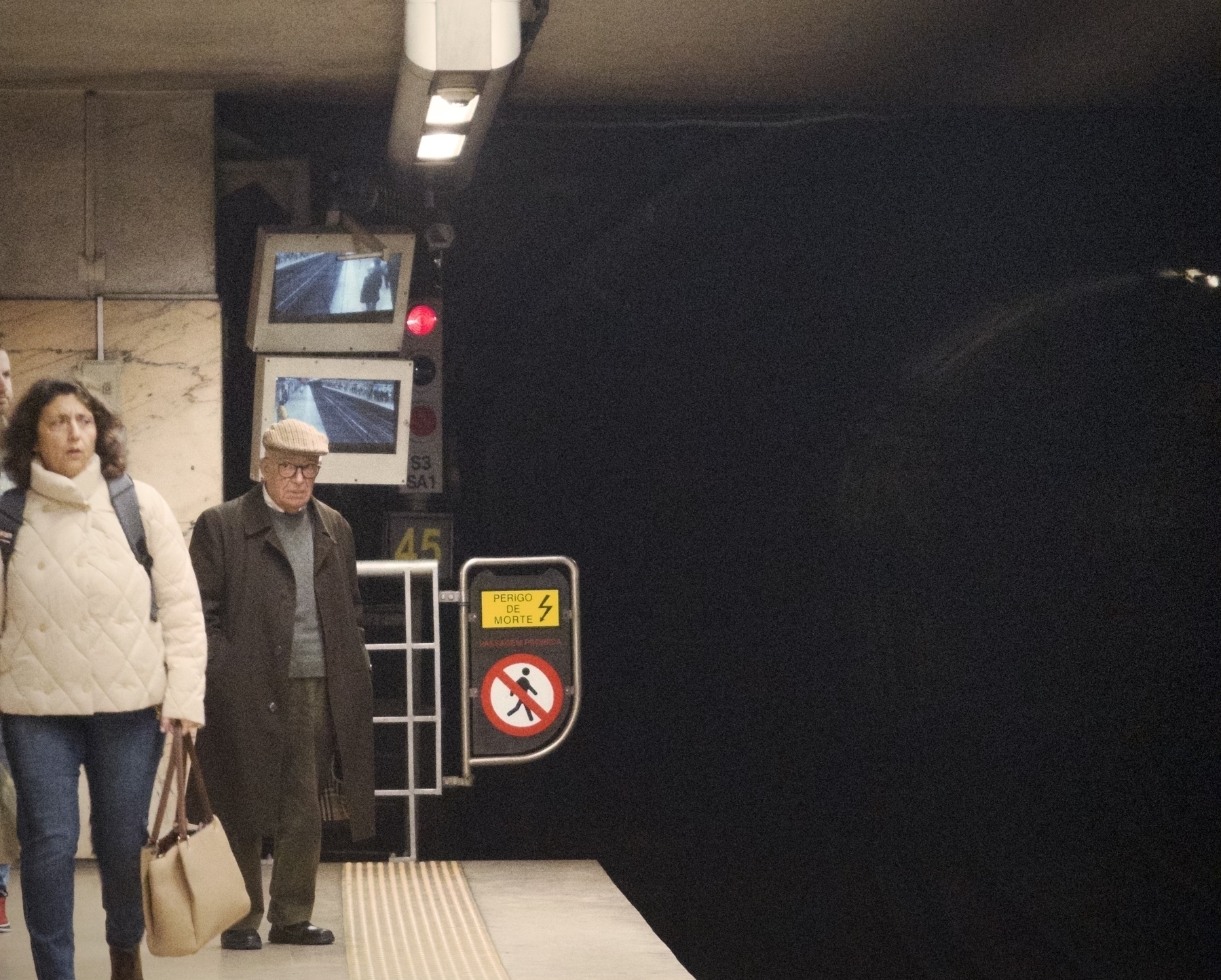

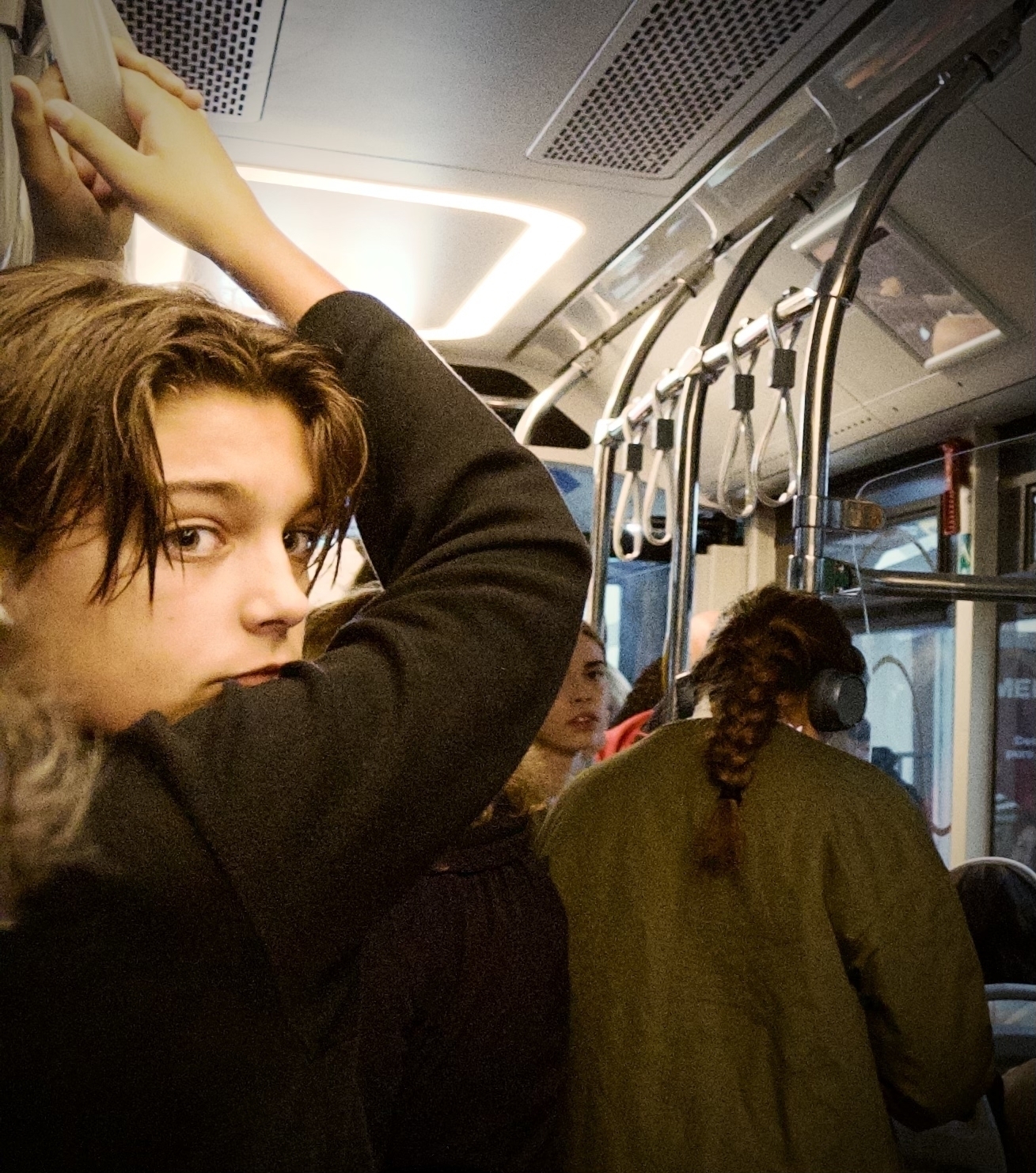
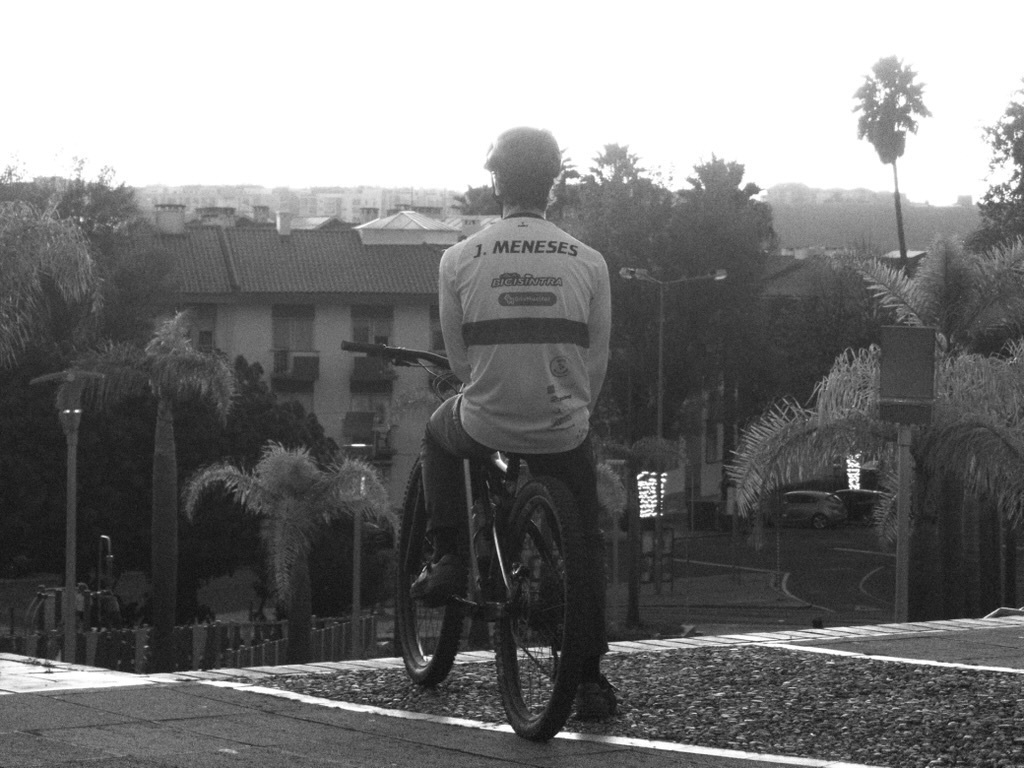
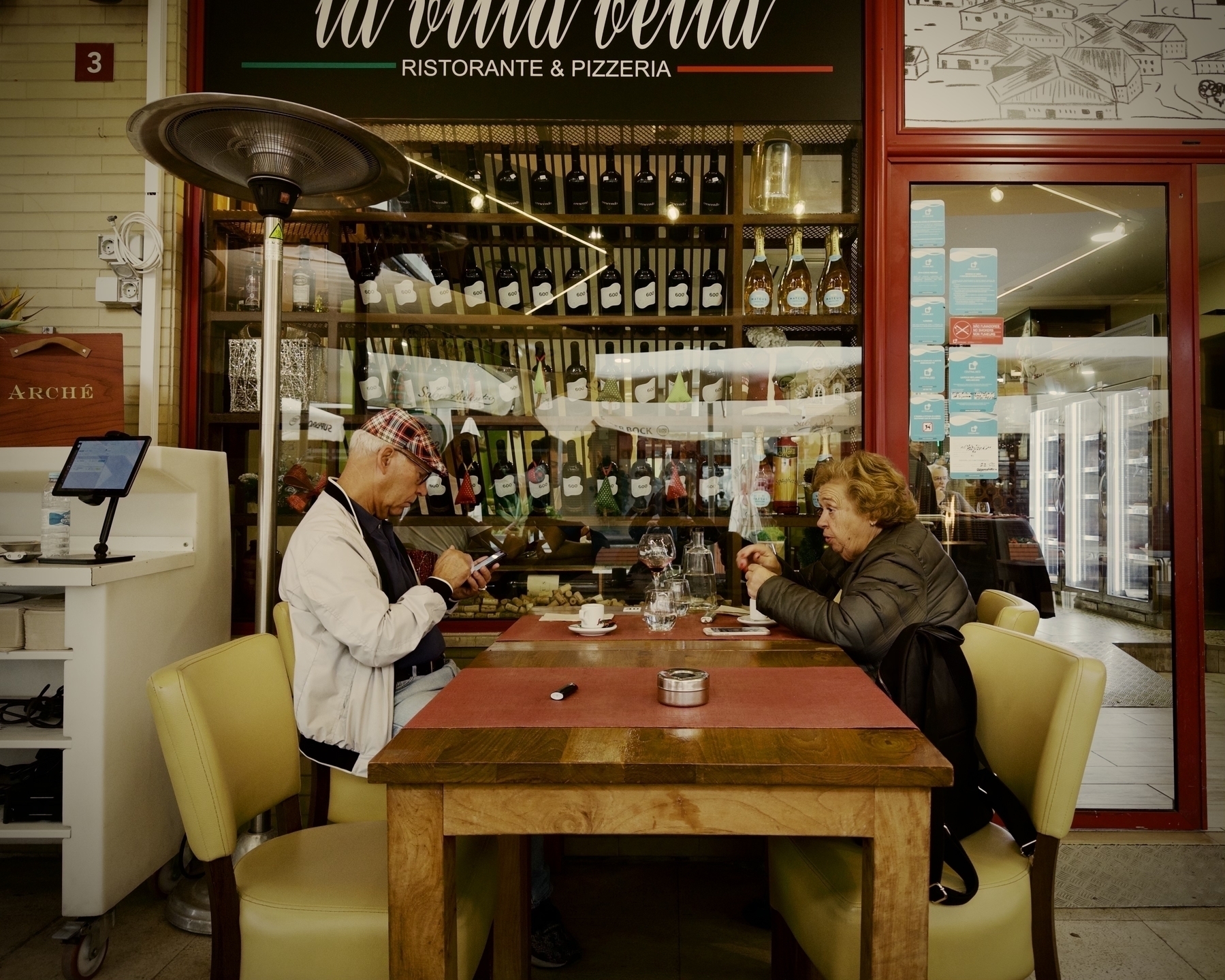
It feels very awkward to take candid pictures of strangers but people are a much more interesting subject than anything else. More practice will hopefully help with that.
Maybe expect more photos in the future. If I stick with it, I might even buy a “real” camera…
I also watched The Penguin
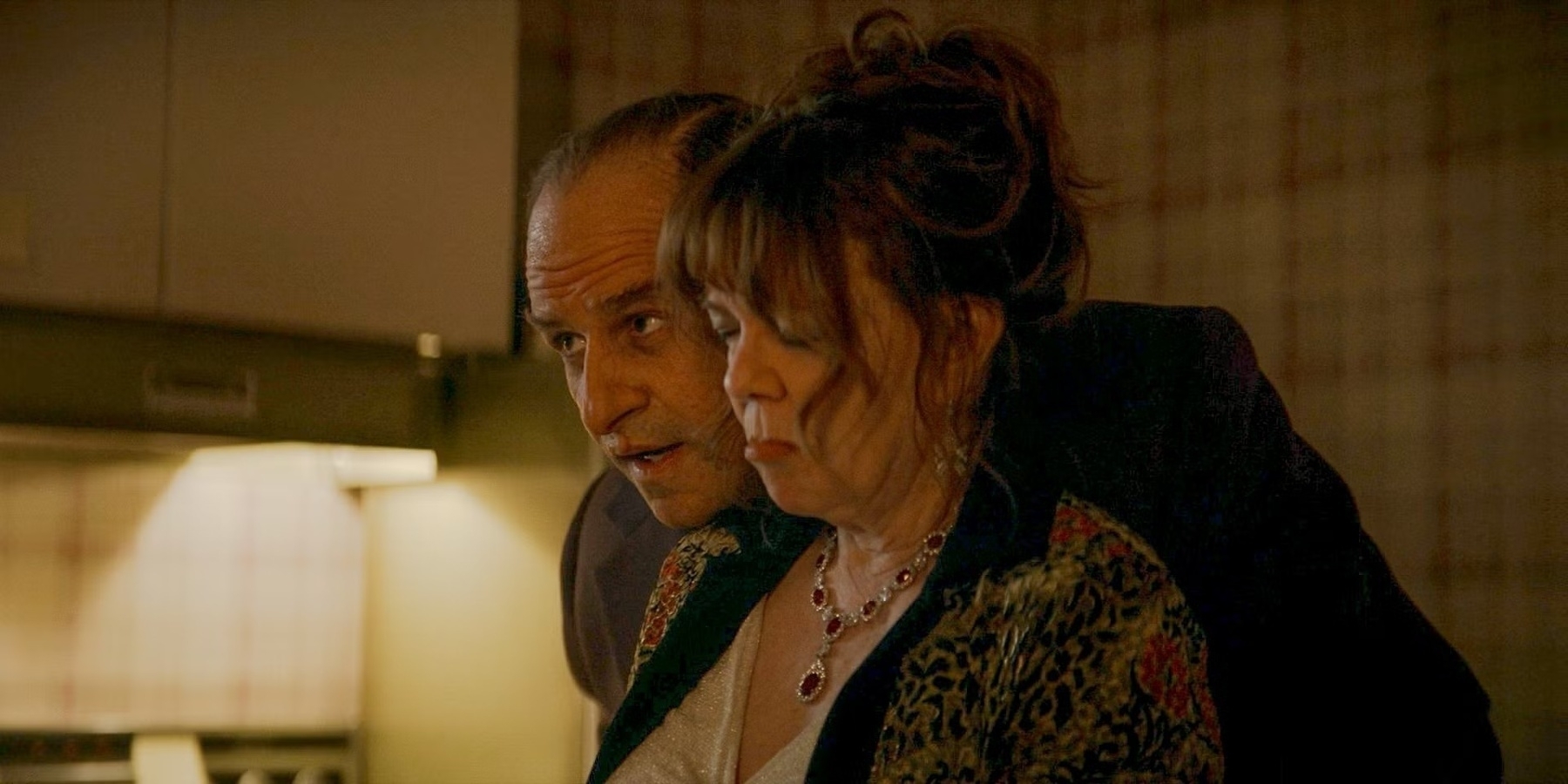
At first, I wasn’t really planning to watch The Penguin. I liked Matt Reeve’s Batman movie but didn’t love it, and the character that Colin Farrell plays in it didn’t appeal to me that much. Honestly, the idea of Colin Farrell in a weird fat suit was a bit weird for my taste.
I decided to change my mind and give the show a chance, since the buzz around it seemed to be increasing with each episode. I didn’t hear anything too specific about it, just some vague Sopranos references, and people were talking about it every week. It also helped that I was on my paternity leave, so I could use something to watch while the baby slept on my chest.
I ended up watching the seven episodes I had “saved up” in two or three days.
The Penguin is an incredible ride. Colin Farrell does a remarkable job of portraying a despicable person that, sometimes, for a brief moment, I could believe he was being honest, or I was feeling bad for him. He balances it out perfectly despite all those prosthetics on his face. He is such as charismatic as the character is supposed to be, and the effect he has on the characters around him is similar to what the audience feels.

Cristin Milioti is another highlight of the show. Her character is sympathetic, and she shines in this role. Most people probably know her from How I Met Your Mother, she was so good on that show that made fans turn on the ending. Here she is a powerful but scarred woman that is on a path for revenge. Her wardrobe and hair are also always on point.
The rest of the supporting cast is also great, with some old veterans and younger actors. Rhenzy Feliz as Penguins protégé is the closest to an audience surrogate, and it’s a tragic character as well. Michael Kelly from House of Cards also plays a great asshole mobster. There are others I could mention, like Penguin’s mother or the triad boss as well.
Not only are the characters compelling, but the plot of the show is also great at slowly peeling its layers and changing how we see it’s characters and their relationships. There are many twists without feeling it cheap. It’s deliberate in how there’s a lot hiding beneath the surface when we meet everyone in the first episode, and how everything builds up as the season runs. A couple episodes in the final stretch of the season suffer from being a setup for the final two episodes, but it’s a necessity and the payoff makes up for it.
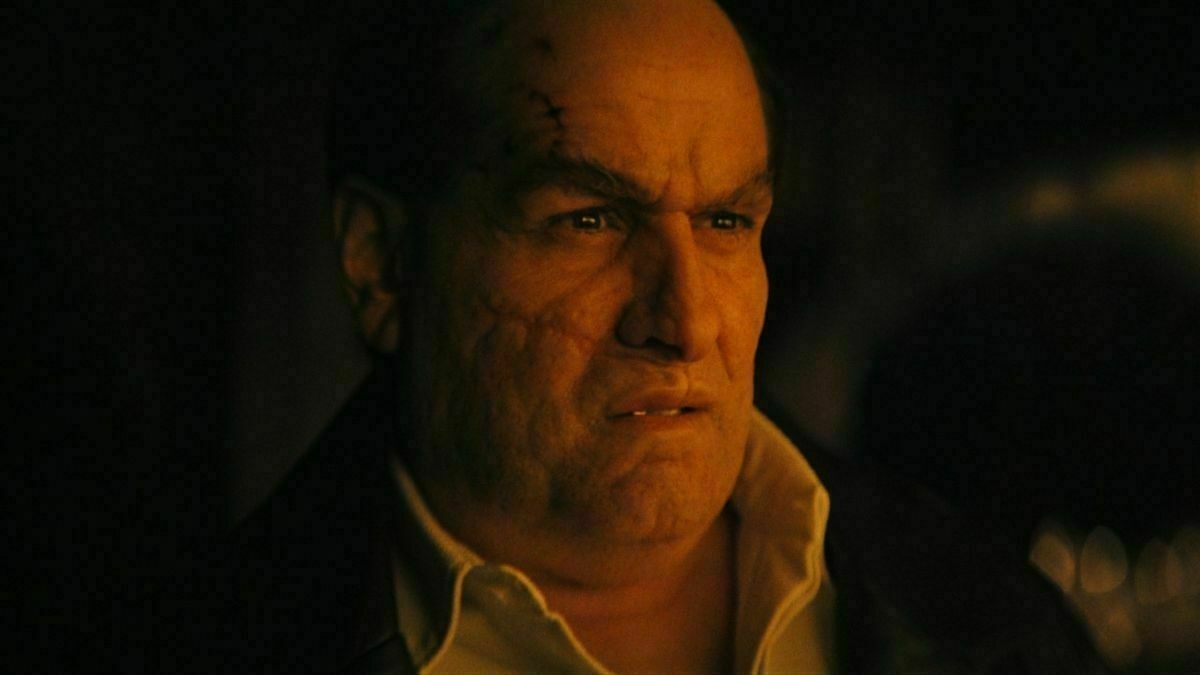
All of the above is wrapped around great directing and cinematography. It’s not on the level of The Batman, though it gets close. You can see the money on screen, it feels like prestige TV.
I would say the biggest issue I had with the show is how it’s all just a setup to show the “comic-accurate” Penguin and the next movie in the franchise. These types of projects usually suffer from this. Instead of seeing a continuation of these characters in a Season Two, we have to wait for a movie where they will be secondary to Batman. The ending feels forced or “artificial” instead of where the story would lead naturally.
As it might be obvious now, I loved the show and regret not catching it from the start. It’s compelling with great acting, characters and plot. I will miss this side of Gotham, and it made me more excited for its continuation in movie format and hopefully a second season.
Remap Save Point 2024
The fine folks at Remap (formerly from WayPoint and GiantBomb) are back together in person for a good cause at this year’s Save Point.
It seems like a different lifetime when the guys from GiantBomb used to all be together in the same room streaming videogames. We didn’t know how good we had it! Ever since everyone moved home, this type of content just isn’t the same.
While remote work is great, and allowed these content creators to have a much better work/life balance, I won’t lie and say that I don’t miss the in-person vibes. The current streams with floating heads don’t hit the same way. These yearly streams are precious now since we get so little videos of actual people in a room together.
I also wish that Nextlander did something like this once a year. I follow their streams more than Remap and just miss seeing them together.
Some Thoughts on Nintendo Music

Nintendo has always excelled in filling its games and consoles with memorable music and sounds. This care can be seen in the big theme songs that everyone remembers, but also in the small bits and bops that play whenever a button is pressed on a system menu.
That didn’t make it less surprising when Nintendo decided to announce a Spotify like music app dedicated just to their music. More surprising yet is that it’s actually pretty good!
At first, it seems a bit superfluous to have a separate app for something that could just be an artist page or category on an existing music streaming service. But Nintendo put a lot of its charm into this specific music app that makes it unique and appealing.
What jumped at me first was how the search is separated by default by console. Essentially, this means you can travel through time to previous generations of consoles if you want to indulge in some nostalgia, including hearing the great system music that Nintendo has made. Currently, only Wii system music is available, hopefully more are added soon. Another highlight of the search panel is how it shows the games present in your Nintendo account right at the start. This is something that couldn’t be done without this bespoke app and that has a lot of potential.
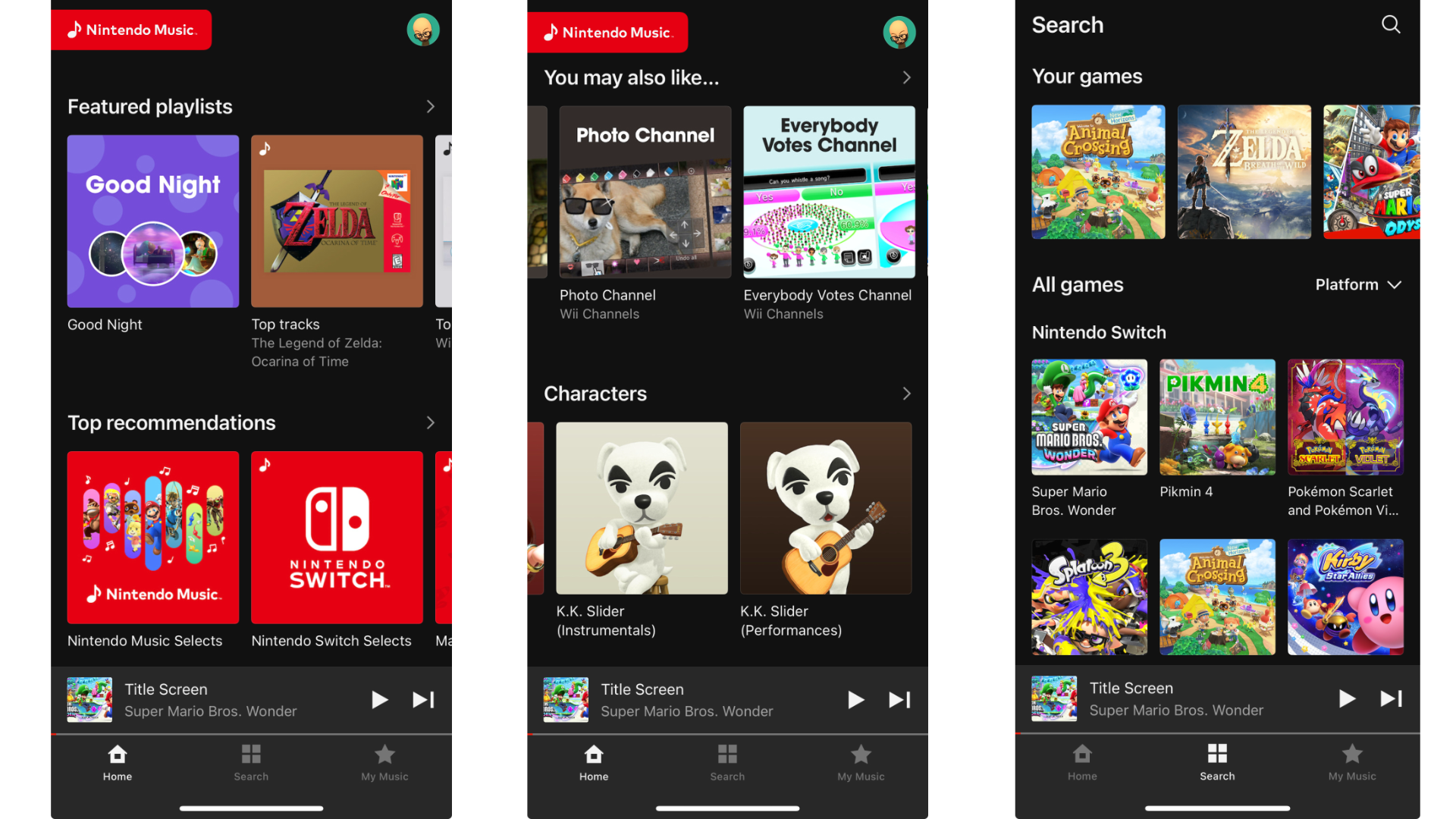
Besides the search, I’m also enjoying the default playlists Nintendo has created, like mood specific, character/game based and thematic ones (like just Zelda dungeon music). Trying to put my four-month-old baby to sleep using Nintendo slow jams was not in my plans.
I would say that, apart from the catalog still missing games and songs, the biggest knock against the app is how it doesn’t contain any credits for the songs. No artists or musicians are mentioned or searchable. Everything is made by “Nintendo” in a sad erasure of individual artists. Not only is it a disservice to these artists, but it’s also a missing opportunity for fans to discover interesting connections of their favourite songs and games. I would like if Nintendo rectified this.
Overall the release of this app was a pleasant surprise and I have been using it often. However, it’s only a first version and Nintendo should keep improving it and adding to it. If you have a Nintendo Online Subscription, give it a try!
(As a side note, hearing all this game music also reminded me that I play too many games on mute, and I’m probably missing a lot of good music and sounds)
The story of Audion - A look back at the MP3 revolution
I was poking around the website from Cabel Sasser (due to my recent love of the Playdate console) and came across this history of their MP3 software Audion that I found fascinating.
It’s cool to read about the software industry around the 00s and how things worked back then. It also included some fascinating twists and turns like the fact that Apple almost bought Panic and wanted them to build iTunes! Just reading about Apple pre-iPod is a trip.
This exchange beween Sasser and Jobs on the showfloor of Macworld was an highlight:
"Well, Steve, I really think it'll still find an audience," I replied. "We've got a lot of higher-end features that you guys probably won't ever add."
"Yeah? Like what?"
"Well, umm.." I was a bit stumped. "You can keep a count of how many times you've played a song, or you can even rate your songs by popularity..."
"...why the hell would anybody want to do that?"
"Well, maybe you want to sort your playlist by your favorite songs..."
"...you've got to understand, this is just 1.0, of course. You can only imagine where we'll be by the time we release 2.0!"
Jobs first dismisses the idea of star ratings just to put Cabel on the spot to pitch the feature to him and explain it. iTunes did end up having this shortly after so he saw the value.
It’s a great read and Sasser is a great storyteller.
The new Lisbon Gulbenkian Modern Art Museum
After several years the construction of the new Modern Gallery in the Lisbon Gulbenkian museum was finally finished. The big highlight is this curved part of the building that this photo tries to capture. The building was designed by japanese architect Kengo Kuma and Vladimir Djurovi.
I haven’t had the change to go inside yet but I heard the changes there are not as radical. But the garden outside and this exterior is definitely a nice improvement.
You can read more about this building here: gulbenkian.pt/cam/en/ne…
